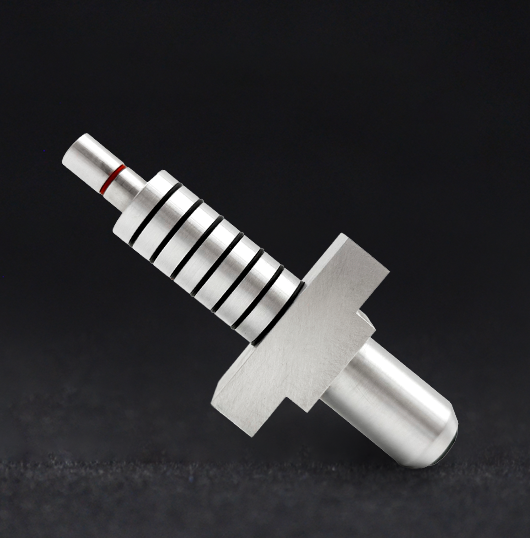
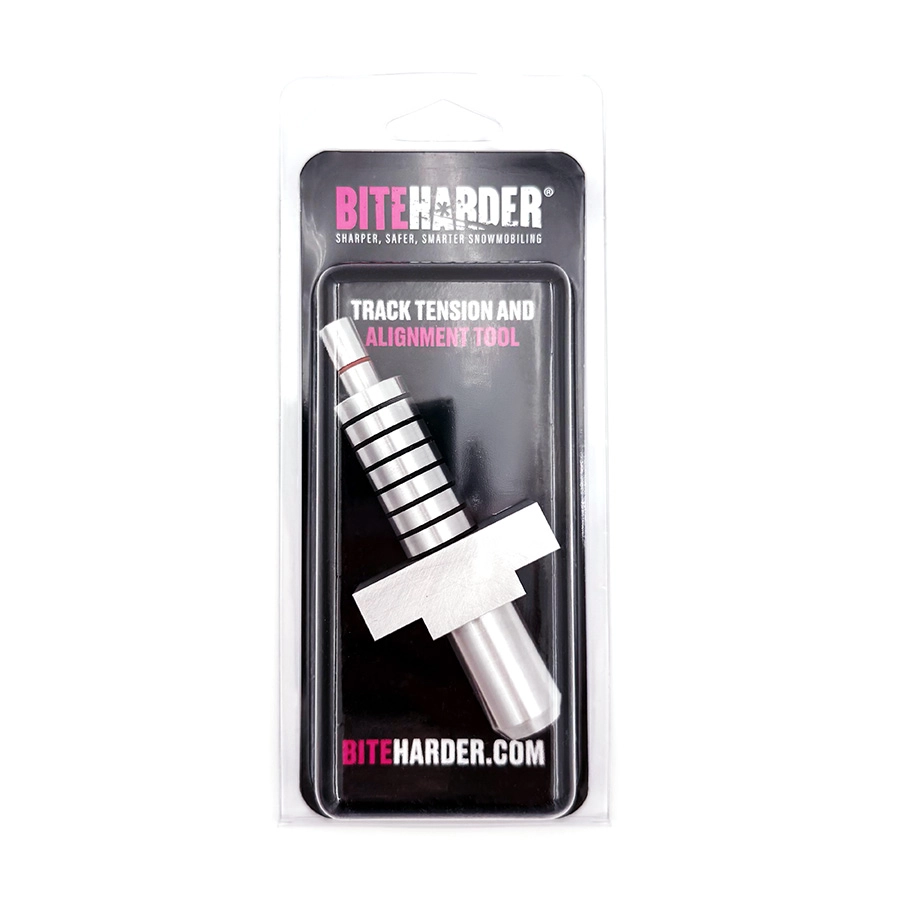
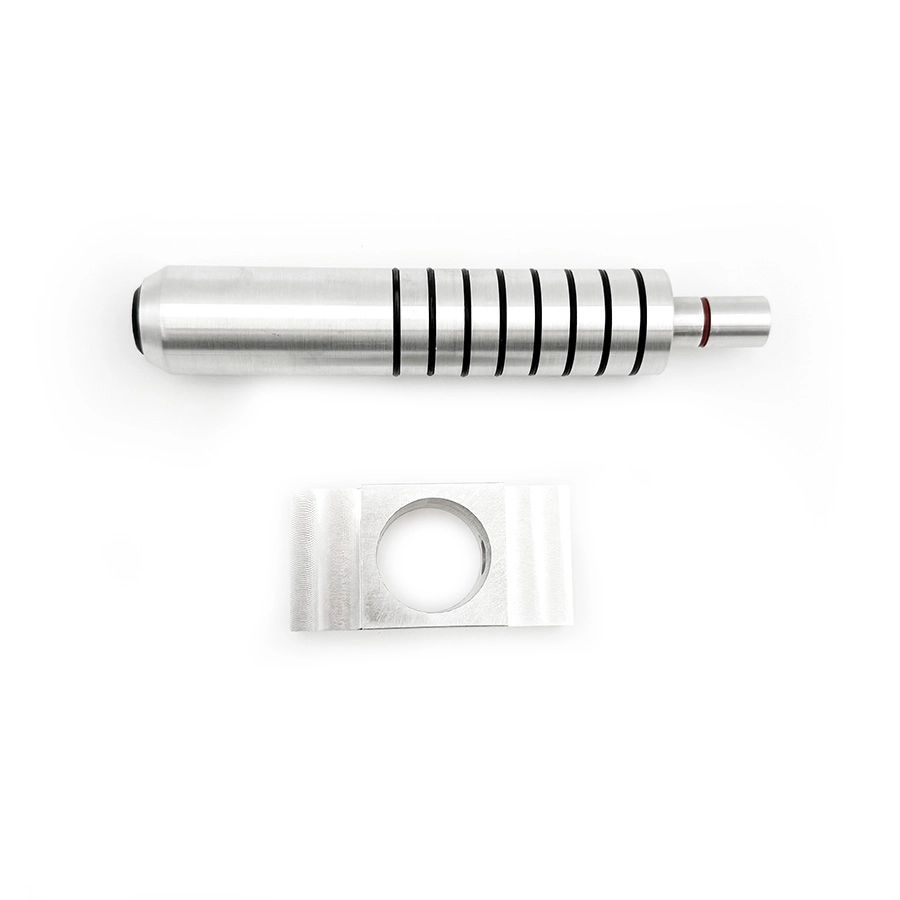
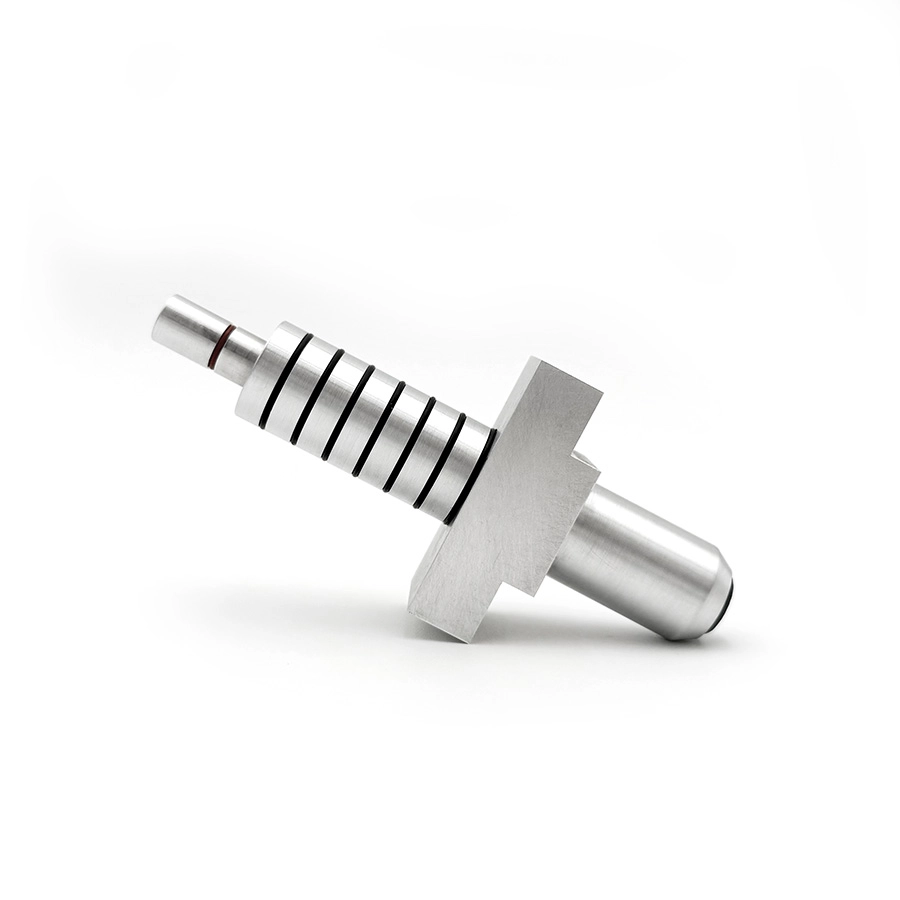
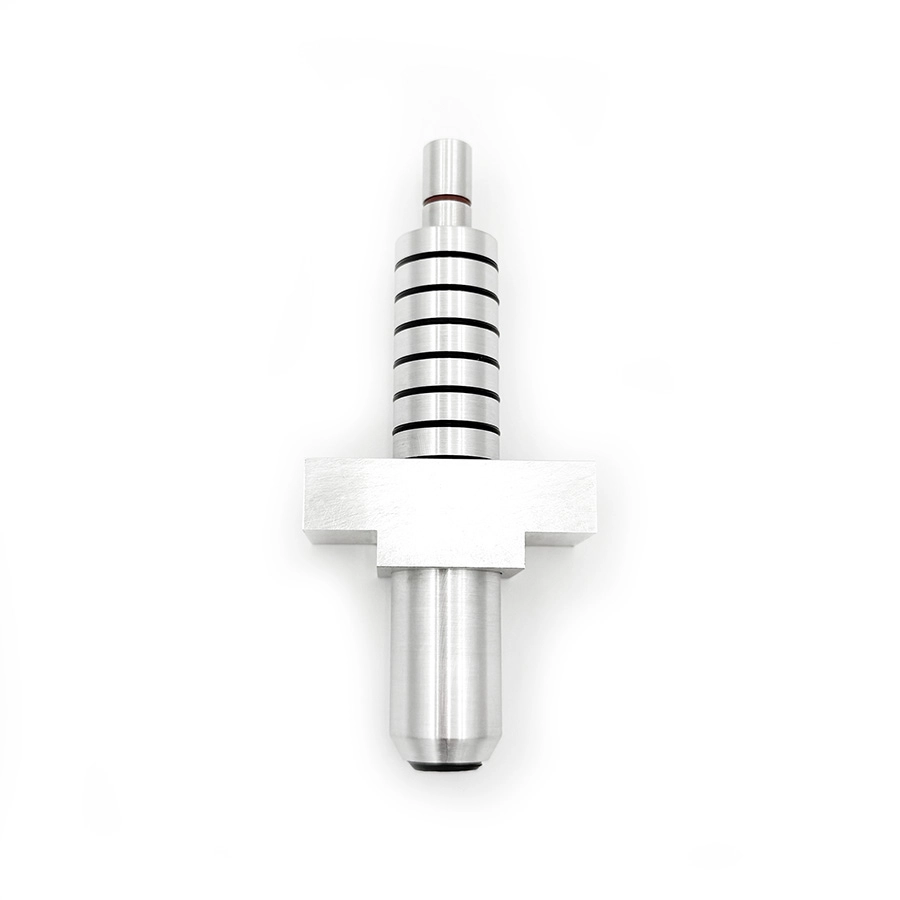
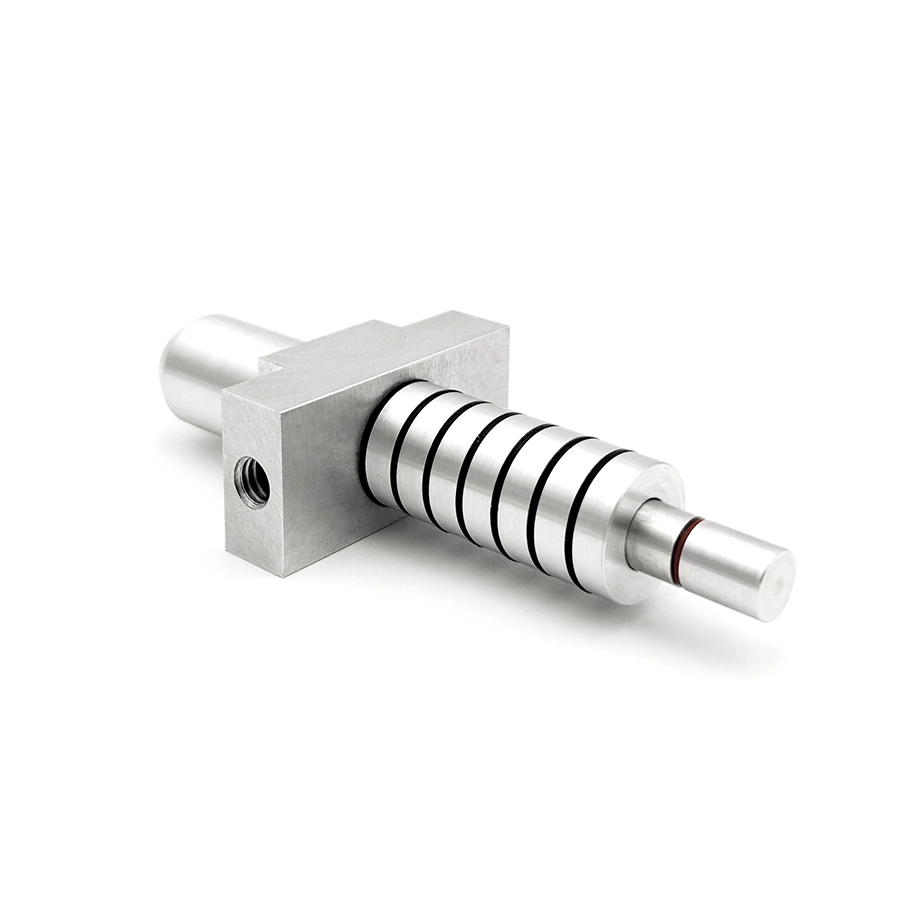
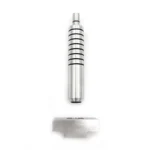
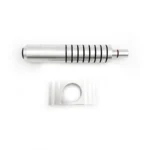
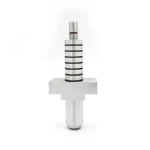
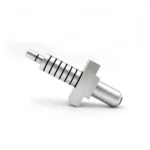
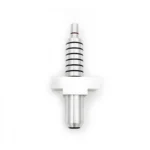
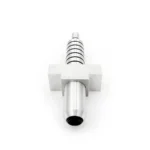
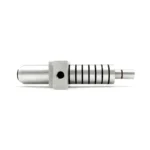
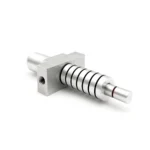
Our Second Generation tool is designed to take a great product and make it even better. Fully calibrated to assure all your manufactures specifications are met, it’s quick and easy to dial in your tracks tension, gap and alignment with greater accuracy.Fast, simple and hands free – Restore performance, reduce hyfax and other track component wear, increase fuel efficiency and maintain better overall control.
Hands-free accuracy: pre-set tool, place on track, and adjust accordingly
Reduce wear & downtime: hyfax, idler wheels, and other track components
Better fuel economy: less drag, more miles per tank
Performance & Control: get the most your sled has to offer
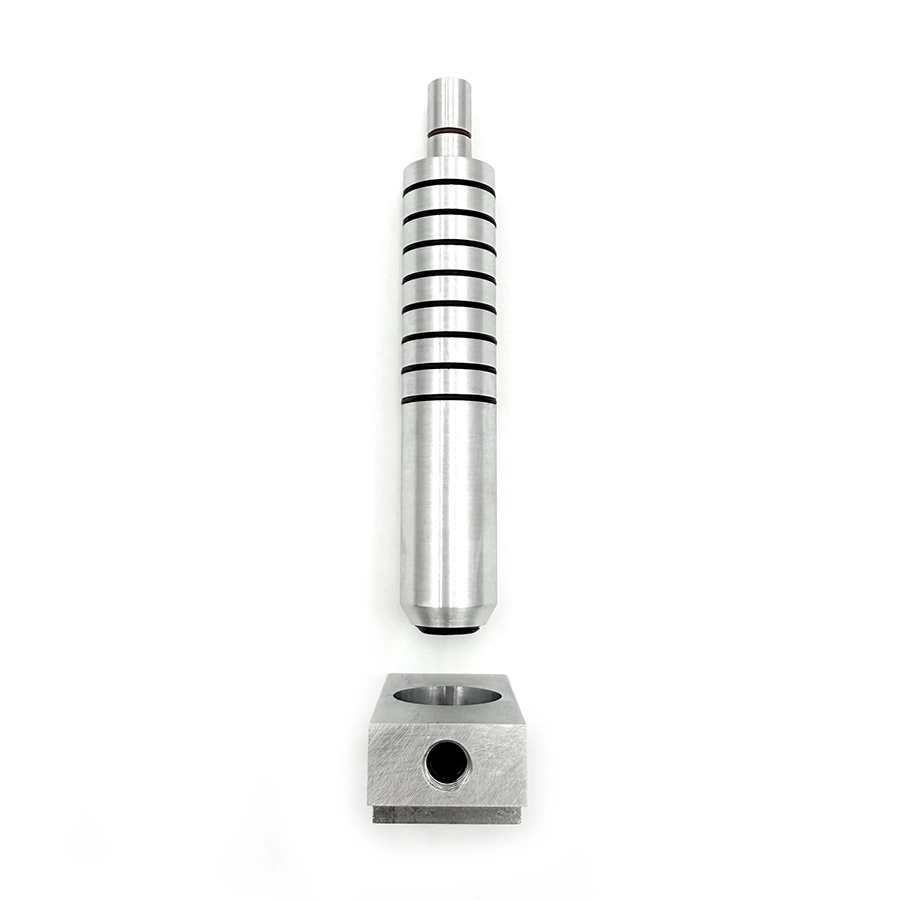
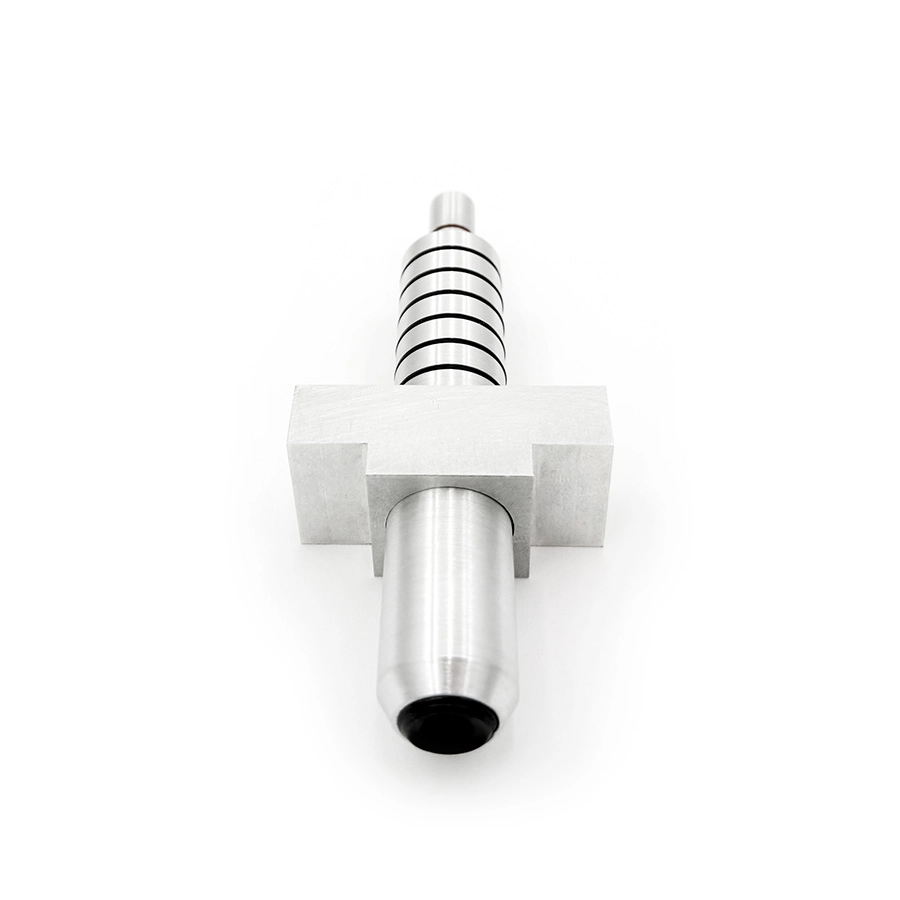
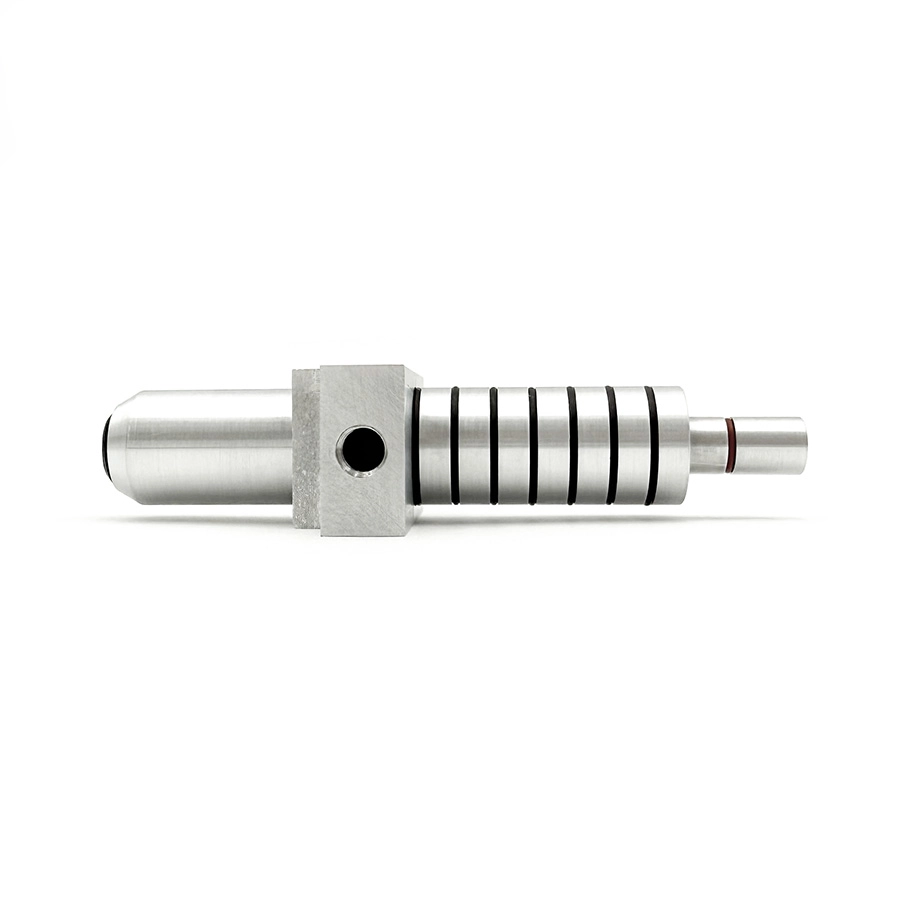
High quality aluminum components
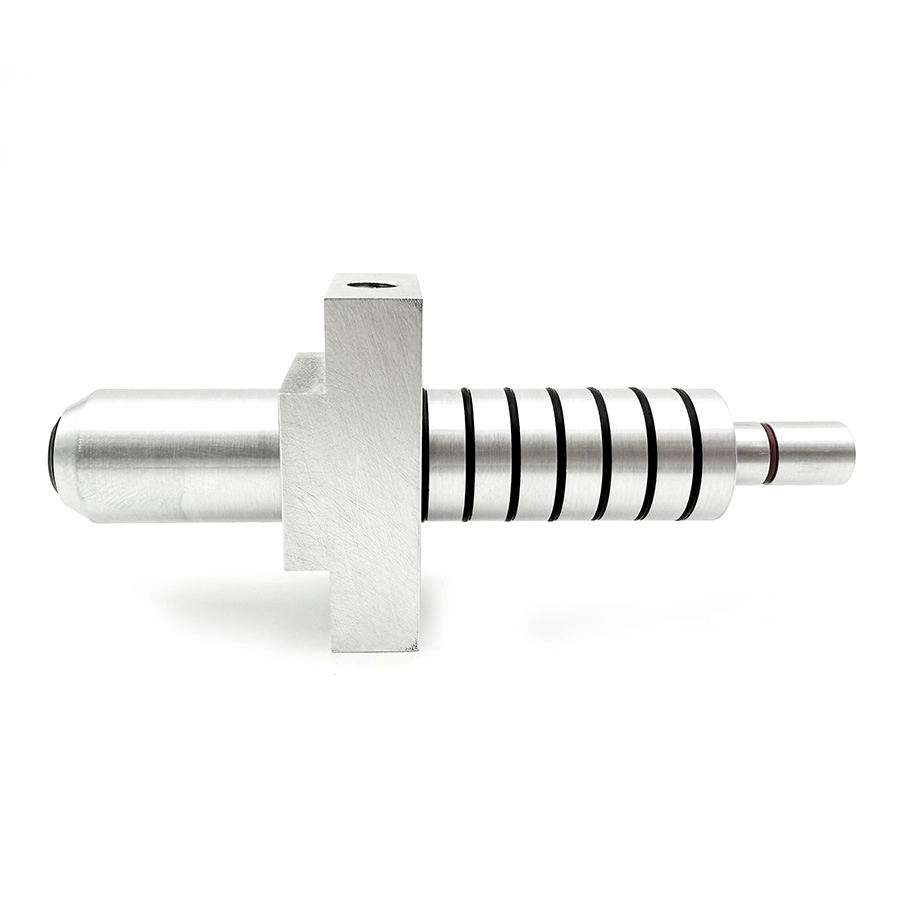
High-visibility indicator (red line) for precise tension setting
Designed, built, and calibrated to last
For best results, adjusting your track should be done when your track is warmed to at least room temperature but can be done cold.
Make sure your engine is turned off and your track is elevated off the ground (six inches or higher) so it can spin freely
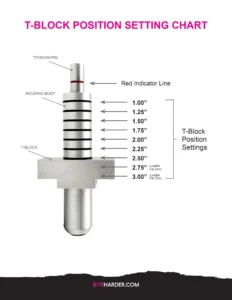
Using the T-Block Position Setting Calculation below, determine the T-Block setting location on the Track Tensioning Tool Body – see T-Block Position Setting Chart
Loosen the rear axle retaining nut and adjustment screws.
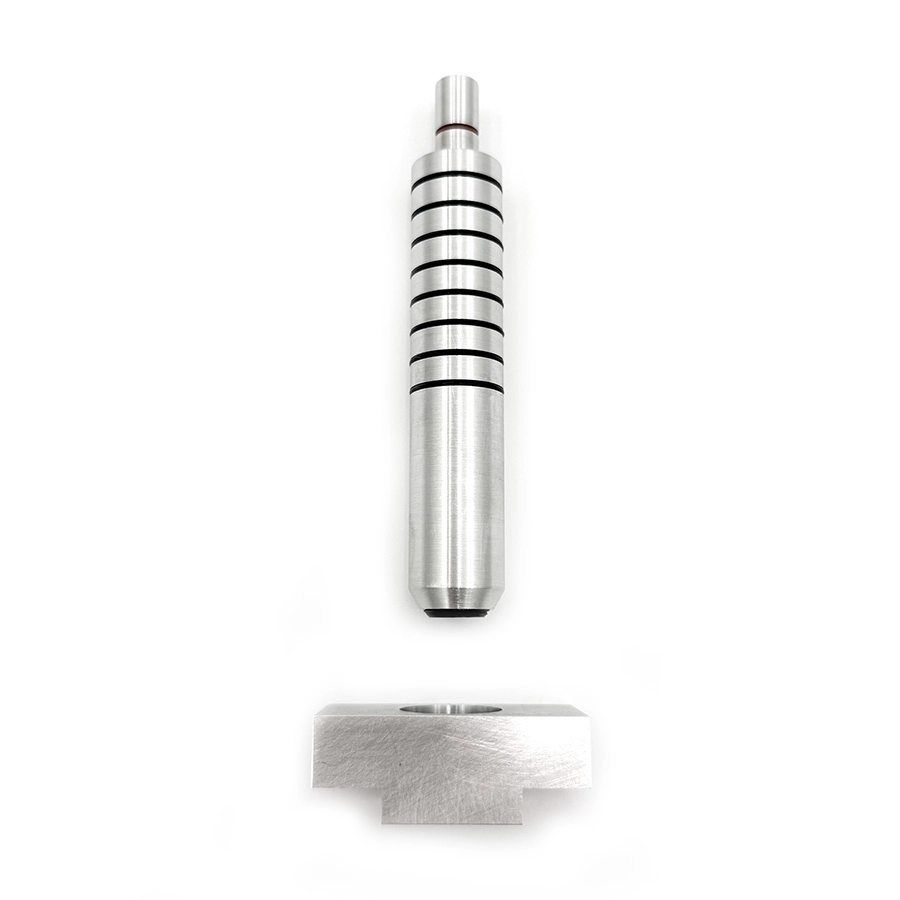
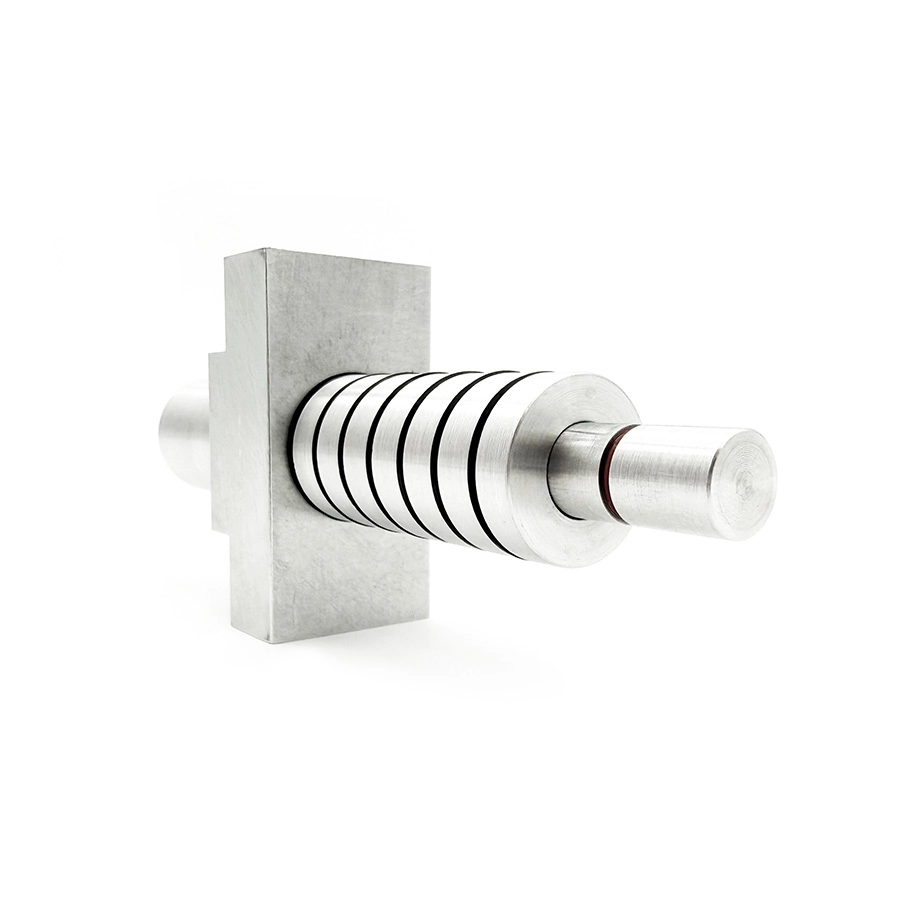
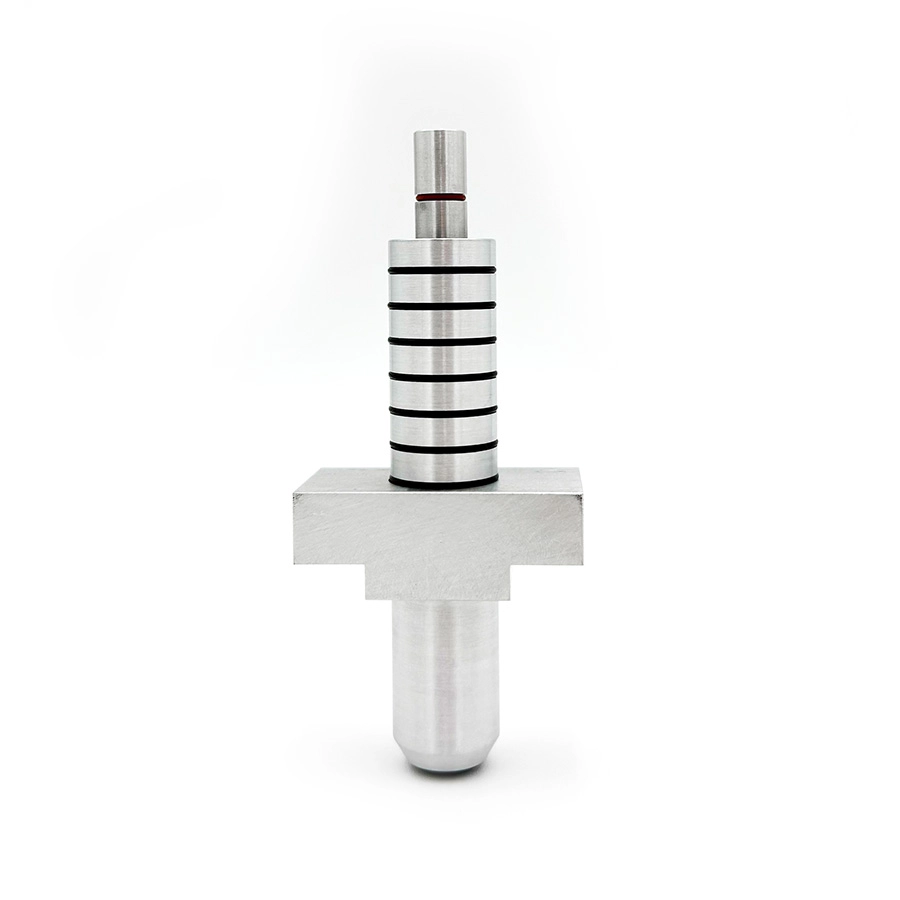
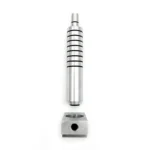
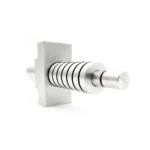
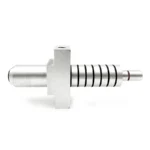
Place the T-Block between the track clips (set screw side facing out) at the location found in your user’s manual (this distance is measured from the idler wheel centerline). Holding the T-Block in place, slide the Tool Body into the T-Block from under the track (Tension Pin pointing up) to your pre-determined setting location. Turn the T-Block set screw so it contacts the Tool Body, then tighten the set screw only an additional 5-to-10-degrees (do not over tighten).
Using the adjustment screw on your snowmobile, tighten your track until the Tension Pins red line is flush with the top of the tool body.
Remove the tool body by releasing the T-Blocks set screw (caution tool is under pressure when doing this) and repeat the process on the other side of the track
Once complete, lock the adjusting screws and tighten the rear axle retaining nut to the manufactures torque specifications.
Start engine and rotate track verifying proper operation.
T-Block Positioning Setting Calculation:
If your manufactures Track Tension/Weight is 12 pounds or under use the setting equation below: Track Gap or Slack + 0.5 = T-Block Position Setting.
If your manufactures Track Tension/Weight is over 12 pounds, use the setting equation below: (Track Gap or Slack ÷ Track Tension or Weight) x 20 then subtract .25 = T-Block Position Setting.
Note: Your calculated T-Block setting position may be different than the shown settings on the T-Block Setting Chart. If so, use the closest setting to your calculated number.
1. Warm track to room temperature. Shut off engine and elevate track six or more inches off the ground.
2. Using the calculations below, determine where you will be positioning the T-Block on the tools threaded body (See T-block Position Setting Chart below).
If Track Tension or Weight ≤ 12 lb: T-Block Position = Track Gap or Slack + 0.5
If Track Tension or Weight > 12 lb: T-Block Position = (Track Gap or Slack ÷ Track Tension or Weight) x 20
3. Loosen rear axle retaining nut and adjustment screws.
4. At your sled manufacturers specified measurement point, push down the track and place T-Block between clips:
Raised section up for ≤12 lb (tension or weight)
Raised section down for >12 lb (tension or weight)
5. From below, thread tool body into the T-Block (tension pin up) and stop to your calculated position.
6. Use the sled’s adjustment screws until the red line on the tension pin is flush with the top of the threaded body.
7. Repeat on the opposite side. Once completed torque the axle nut to manufacturers spec.
8. Start engine and rotate the track to verify smooth operation and track alignment.
New sleds: check before first ride; recheck at 100–200 miles (initial stretch).
Routine: check every 1,000 miles and after installing new hyfax.
Always follow owner’s manual specs for your model.
Accuracy depends on using the correct specs from your owner’s manual.
Use manufacturer torque values for retightening rear idler wheel shaft bolt
Work with the engine off and your sled securely lifted.
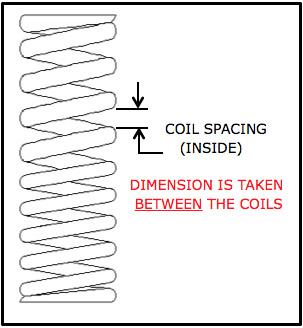
With your front coil springs adjusted for your individual riding style, measure the distance between the coils (See Diagram), with your machine on the ground under its own weight.



Richard James Corrigan –
A really good invention
Richard James Corrigan –
really good invention
Richard James Corrigan –
really good